
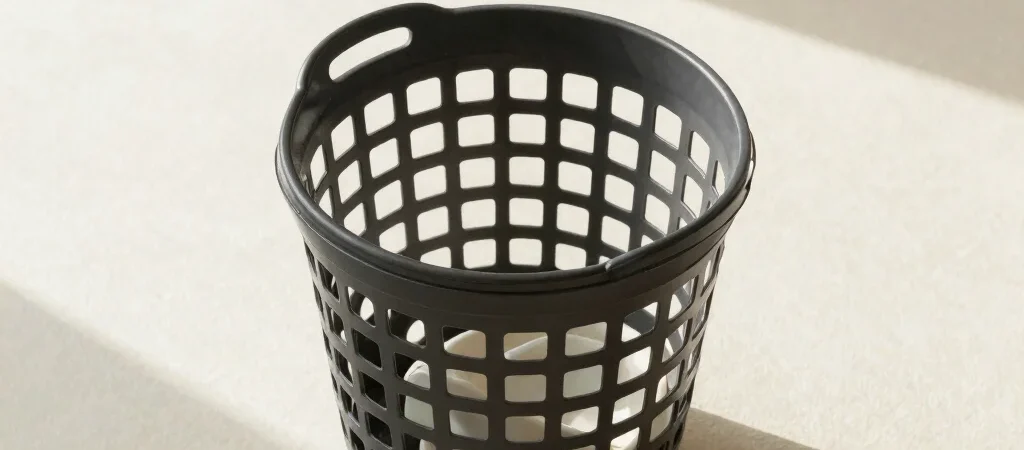
There is a mug on the desk and laundry waiting in the corner. Neither is an emergency. Still, a person with ADHD might look at the room and feel less like they are seeing unfinished chores than proof of personal failure. The distance between “this needs doing” and “I am failing” can disappear quickly.
A room can invite judgment
Household tasks are often made of many small decisions: where to start, what belongs where, what needs attention first. When those steps pile up, the room can become difficult to approach, especially if earlier attempts have ended in frustration. Visitors may see clutter; the person living with it may see a running record of every intention that did not become action.
Separate the task from the self
A messy surface describes a surface, not a whole person. That distinction does not make the frustration vanish, and it does not mean the task is unimportant. It does leave room to talk about the moment without turning it into a claim about worth, care, or how hard someone is trying.
Make room for the real story
SighBird is a place for anonymous accounts of these specific, often hidden moments of ADHD-related shame and guilt. A submission does not need a lesson at the end or a tidy before-and-after. It can simply say what happened and how it felt, without judgment and without identifying details.